Contents Home Performance IV Therapy: Benefits, Safety, and What to...
Read More


Reviewer | 22nd April | Read time – 11 mins
The immune system is not a single organ. It is a distributed network of cells, proteins, and signalling molecules operating across every tissue in the body — and it runs on micronutrients. Vitamin C fuels neutrophil function. Zinc is required for T-cell development and thymic activity. B vitamins support the energy metabolism that immune cells depend on. Selenium helps regulate the inflammatory response. The immune system is as micronutrient-dependent as any other system in the body, and in modern urban populations, those micronutrients are frequently depleted.
Immunity IV therapy is a targeted approach to restoring the micronutrient environment that immune function requires. It is not a vaccine. It does not prevent specific pathogens. What it does is remove the nutritional ceiling on what the immune system can do — ensuring that the cells designed to defend you are operating at full capacity rather than in a state of subclinical depletion.
This article covers what immunity IV therapy contains and what the evidence says for each component, how micronutrient deficiency impairs immune function, why IV delivery matters, who it is most useful for, what a session involves, what it costs in India, and what to look for.
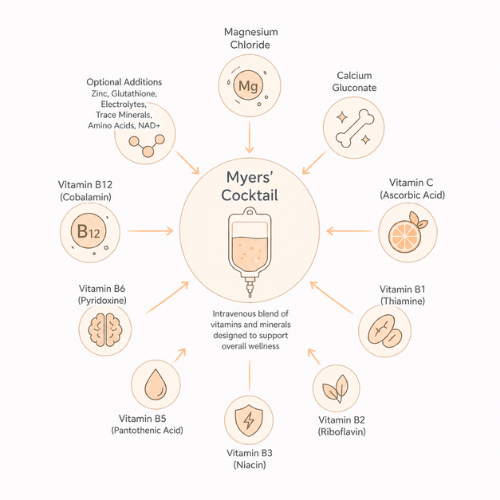
Immunity IV therapy combines the nutrients with the strongest evidence for immune support — vitamin C, zinc, B vitamins, and often glutathione — into a single IV formulation. The evidence base for individual components is substantially stronger than for the combined protocol; what follows is an honest account of each.
The honest answer is: it restores immune function where depletion is limiting it. The immune system requires a specific set of micronutrients to operate effectively, and the complex, integrated immune system needs multiple specific micronutrients — vitamins A, D, C, E, B6, and B12, folate, zinc, iron, copper, and selenium — which play vital, often synergistic roles at every stage of the immune response, with even marginal deficiency impairing immunity. [1] IV delivery ensures those nutrients are available at therapeutic concentrations regardless of gut absorption status.
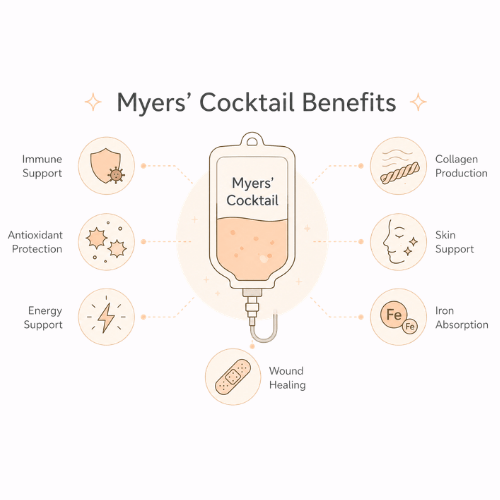
Yes, and this is the strongest component of the evidence base. Neutrophils actively concentrate vitamin C to levels 100 times higher than plasma, using it to fuel chemotaxis, phagocytosis, and the oxidative burst that kills pathogens — and vitamin C depletion measurably impairs all three processes. [3] A 2017 systematic review confirmed that vitamin C supports both the innate and adaptive immune systems, including epithelial barrier function, lymphocyte proliferation, and natural killer cell activity. [2] Vitamin C plasma and leukocyte concentrations decline rapidly during infection and stress — exactly when immune demand is highest.
Zinc is required for the development and function of T-lymphocytes, B-lymphocytes, and natural killer cells. It supports thymic function — the thymus being the organ where T-cells mature — and regulates inflammatory signalling. Zinc deficiency is associated with increased susceptibility to infections and impaired antibody production. Vitamin C and zinc deficiency both reduce innate immune response, and adequate intake of both as an adjunctive approach may mitigate adverse physiological effects of viral infection. [4] The combination of vitamin C and zinc in immunity IV therapy targets complementary pathways in the immune cascade.
For vitamin C specifically, the evidence is directionally positive at therapeutic doses. A meta-analysis found that therapeutic vitamin C supplementation reduced cold duration by roughly 8% in adults and 14% in children, with consistent effects across populations. [10] For zinc, supplementation has been shown to reduce duration of common cold symptoms when taken within 24 hours of onset. The immunity IV protocol combines both, targeting the immune response during the acute period when micronutrient demand is highest.
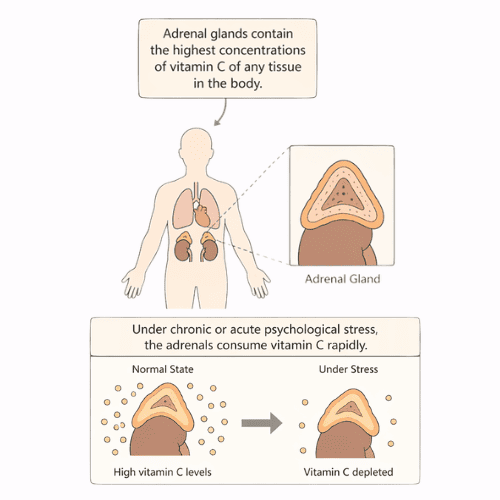
During infection, vitamin C is consumed by the immune response faster than it can be replenished through diet. Plasma levels can fall to near-deficient within hours of a significant infection. Vitamin C concentrations in plasma and leukocytes rapidly decline during infections and stress, and supplementation improves antimicrobial and natural killer cell activities, lymphocyte proliferation, chemotaxis, and delayed-type hypersensitivity. [5] IV delivery replenishes these stores directly and at concentrations that accelerate the resolution of the immune response rather than prolonging it.
Reviewer | Date | Read time
The immune system’s micronutrient dependency is not a minor consideration — it is structural. Immune cells are among the most metabolically active cells in the body, with rapid proliferation rates, high energy demands, and continuous synthesis of antibodies, cytokines, and antimicrobial proteins. All of these processes require micronutrients as cofactors, structural components, or regulatory signals. Inadequate daily micronutrient intakes are common in populations with certain dietary patterns, and situations with increased requirements — infection, stress, and pollution — further decrease body stores, with several micronutrients potentially deficient simultaneously. [1]
Vitamin C has the most direct evidence: neutrophils accumulate it against a concentration gradient, and this active uptake requires energy — meaning that depleted neutrophils are not just low in vitamin C, they are also metabolically stressed. Zinc deficiency reduces the number of circulating T-cells and impairs thymic hormone activity. B6 deficiency reduces antibody production and lymphocyte proliferation. These are not subtle effects — they measurably increase infection susceptibility and severity.
Modern urban environments compound the depletion problem. Air pollution increases oxidative stress and vitamin C consumption. Chronic psychological stress depletes zinc, vitamin C, and B vitamins. Inadequate sleep impairs immune cell regeneration. Micronutrients with the strongest evidence for immune support are vitamins C and D and zinc, with better-designed clinical studies still needed to establish optimal doses and combinations in different populations. [8]
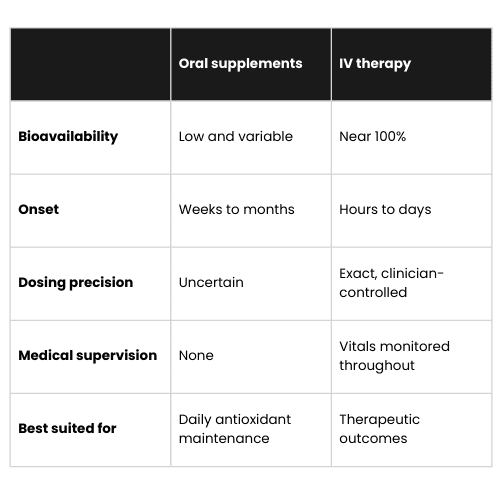
For people with generally adequate nutrition, oral vitamin C and zinc supplementation can maintain baseline immune function. The argument for IV immunity therapy is most compelling in three situations: during active infection or recovery, when gut absorption is impaired, or when plasma levels need to reach therapeutic concentrations faster than oral supplementation achieves.
During illness, gut function is often impaired — fever, nausea, and inflammatory gut changes all reduce absorption efficiency. IV delivery bypasses this entirely, delivering vitamin C at concentrations the gut simply cannot achieve. At 1.25g oral dose, mean peak plasma vitamin C reaches approximately 135 µmol/L. At the same dose IV, it reaches 885 µmol/L — a more than six-fold difference — with IV being the only route to reach the pharmacological concentrations that drive certain immune mechanisms. [6]
For pre-exposure immune loading before travel or high-risk periods, the speed advantage matters: IV achieves therapeutic concentrations within the infusion window, while oral supplementation builds over days. For a patient flying in 48 hours who wants immune support, oral supplementation has limited time to work.
If you want to know whether Immunity IV Therapy fits what you’re experiencing, our clinical team is happy to walk you through it

At standard immunity IV formulations and infusion rates, the safety profile is good. Vitamin C, zinc, B vitamins, and glutathione are all water-soluble and excess is renally excreted — no accumulation toxicity at wellness doses.
The key screening considerations are the same as for vitamin C IV specifically: G6PD deficiency (contraindication for high-dose vitamin C), kidney disease (vitamin C generates oxalate as a byproduct), and a history of kidney stones. These are managed through a pre-session clinical consultation. At standard immunity doses — typically 7.5–25g vitamin C — the risk profile is low.
Zinc at high doses can cause nausea if given too quickly. At appropriate infusion rates, this is uncommon. Zinc at very high chronic doses can impair copper absorption — not a concern at standard IV therapy doses given intermittently, but worth noting for patients considering very frequent sessions.
As with all IV therapy in India, the preparation quality and clinical oversight are the key variables. Pharmaceutical-grade components from a licensed pharmacy, administered under clinician supervision with monitoring, are the standard at True Drip.
The consultation covers your immune history — frequency of illness, current health status, upcoming exposures or events, and any medications. For patients coming in during active illness, a brief clinical assessment of severity guides whether immunity IV is appropriate or whether medical treatment is the priority.
Sessions run 45 to 60 minutes at standard immunity doses. The experience is largely uneventful — a mild coolness in the arm from the vitamin C, occasionally a faint taste or smell from the B vitamins. At higher doses, the vitamin C infusion can cause a slight metallic taste, managed by adjusting the rate.
For sessions taken before an illness or high-exposure period, the effect is preventive — the benefit is what doesn’t happen. For recovery sessions during or after illness, most patients notice improved energy, reduced malaise, and faster resolution of symptoms over the 24 to 48 hours following infusion. The immune support effects continue to build over 2 to 4 days as vitamin C distributes into tissues and white blood cell stores.
Immunity IV formulations typically range from ₹3,000 to ₹7,000 in Indian metro cities depending on the specific components, vitamin C dose, and whether glutathione or additional micronutrients are included.
Most patients use immunity IV seasonally — before and during high-illness periods, before travel, or at the onset of illness symptoms. True Drip’s pricing is listed transparently at truedrip.in.
If you want to know whether Immunity IV Therapy fits what you’re experiencing, our clinical team is happy to walk you through it

Hyderabad’s immune environment is specific. The city’s air quality — PM2.5 levels that regularly exceed safe limits — generates a chronic oxidative load that depletes vitamin C and antioxidant reserves continuously. The professional workforce faces high psychological stress, disrupted sleep, and frequent domestic and international travel — all documented immune suppressants. The combination creates a population with elevated immune demand and reduced immune resources.
Seasonal patterns drive predictable demand. The transition from summer to monsoon — roughly June through August — brings a spike in respiratory infections. The post-Diwali and winter months see similar patterns. Pre-season immunity IV, taken 1 to 2 weeks before these high-risk periods, is the most rational preventive use.
True Drip’s immunity protocol is calibrated to Hyderabad’s specific combination of air quality, heat, and professional stress load — with vitamin C and glutathione for the antioxidant and immune dimensions, zinc for T-cell and barrier function, and B vitamins for the energy metabolism that immune cells require. Every session begins with a clinical conversation about your specific situation.
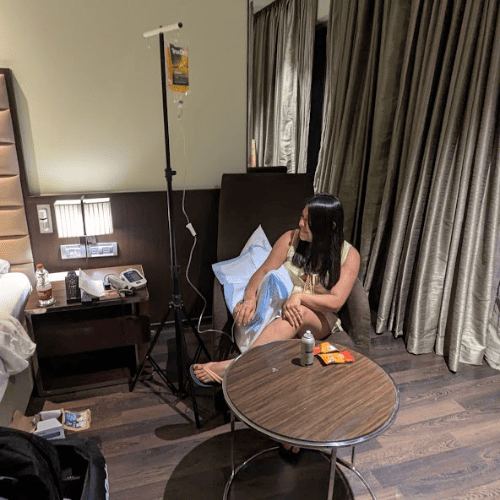
An IV infusion combining the micronutrients with the strongest evidence for immune support — typically vitamin C, zinc, B vitamins, and glutathione — to restore the nutritional environment that immune function requires. Used for illness prevention, active illness recovery, and post-illness restoration.
People who get ill frequently, those preparing for high-exposure periods (travel, illness season, demanding events), patients recovering from viral or bacterial illness, anyone with chronic stress or poor sleep who experiences frequent immune compromise, and people with known micronutrient deficiencies.
In general well-nourished populations, routine micronutrient supplementation probably does little to prevent specific infections — but in populations with inadequate intake or increased requirements from infection, stress, or pollution, supplementation can meaningfully restore immune competence. [8] Immunity IV is most effective as prevention when deficiency or high demand is the context.
Yes — immunity IV during active illness addresses the depletion that occurs as the immune response consumes micronutrients. It is supportive, not curative. For serious illnesses requiring medical treatment, always prioritise clinical care. For typical viral illnesses where supportive recovery is the primary need, immunity IV is appropriate.
Most patients use it seasonally — 1 to 2 sessions at the start of high-risk illness periods, or as a recovery tool after significant illness. People with chronic immune compromise or frequent illness may benefit from monthly maintenance. Your clinician will advise based on your specific situation.
Vitamin C IV therapy is a component of the immunity protocol. Immunity IV adds zinc, B vitamins, and often glutathione to the vitamin C base — targeting a broader spectrum of immune pathways. For skin, collagen, and adrenal applications, standalone vitamin C IV is more appropriate. For immune-specific goals, the full immunity formulation is more targeted.
At standard doses and infusion rates, side effects are uncommon and mild — a cool sensation in the arm, faint taste from B vitamins, occasional warmth. G6PD deficiency and kidney stones are the key contraindications for the vitamin C component. A pre-session clinical consultation screens for these.
People with G6PD deficiency, active kidney disease, or a history of calcium oxalate kidney stones should discuss with their clinician before proceeding with high-dose vitamin C. Patients with haemochromatosis should be cautious about formulations containing vitamin C at high doses.
Yes — NAD+ adds metabolic and cellular repair support; glutathione alone provides deeper antioxidant loading; Myers’ Cocktail delivers a similar micronutrient base with a broader wellness focus. Your clinician will advise on what combination makes sense for your goals.
1 to 2 weeks before high-exposure periods — travel, illness season, demanding professional stretches — gives immune stores time to build. During illness, early in the illness course is more effective than late. After illness, within a few days of recovery helps restore depleted stores before the next exposure.
If you want to know whether Immunity IV Therapy fits what you’re experiencing, our clinical team is happy to walk you through it

Contents Home Performance IV Therapy: Benefits, Safety, and What to...
Read MoreContents Home Hydration IV Therapy: Benefits, Safety, and What to...
Read MoreContents Home Immunity IV Therapy: Benefits, Safety, and What to...
Read MoreContents Home Magnesium IV Therapy: Benefits, Safety, and What to...
Read More